Essay : A new age Nationalisation - UPI and ONDC
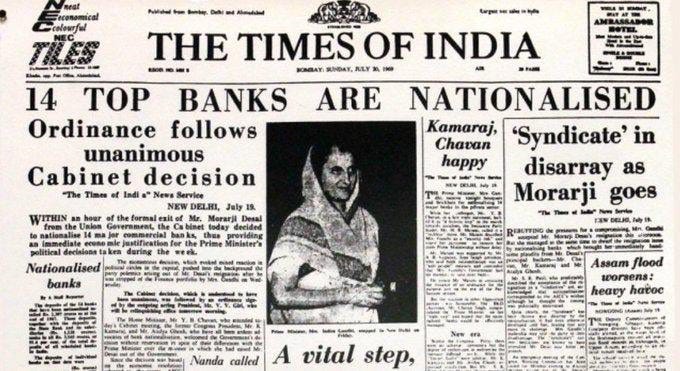
The term nationalisation is often used to in reference to situation where Government of particular country taking control over a business, previously managed by private enterprise, for example, Venezuelan government taking control over Exxon Mobil plant, or merger of Indian banks into state owned financial institutions in the past. It is often supported with reason such as to break monopoly of few giants or to restructure the industry for common good.
Ofcourse, the new initiatives would boost local merchants, shopkeepers and sellers, but often nationalisation of particular industry lead to cut competition, leaving consumers deprived of new advancements. The references in the past, for example low productivity and leading losses suffered by Air India when airlines was nationalised in 60s, are good indicators. Another important consideration, which may prove detrimental to the motive of nationalisation, is human factor. The changing elected government, with inclination towards specific industry ecosystem, might cut funds or make policies which cut the growth of overall industry. For an instance, if success of UPI leads to exit of a rival private institution and next government fails to pay enough attention, or similarly ONDC establishes its monopoly cutting down Amazon, flipkart and new government fails to perform timely reforms, it would eventually lead us to bottom. A similar case happen with BSNL, the Government company once leading the telecommunication market, the Government's inattention to reform industry with latest technology, nonproductive Government employees, kept customers deprived of faster networks and resulted to company loosing market share to its rival.
In conclusion, the nationalisation of industry benefits mass population but often have proved detrimental to industry in terms of growth and technology advancements , as series of historic events speak of it.
References :


Comments
Post a Comment